Over 1 million Americans cross into Tijuana for dental care every year. The savings are real — 60 to 75 percent on procedures like implants, veneers, and full-mouth restorations. But before you book anything, you have one question that matters more than price: is it actually safe?
The honest answer is yes — and no. Tijuana has some of the best dental clinics you will find anywhere, staffed by highly trained specialists using the same materials and equipment as top US practices. It also has clinics you should never set foot in. The difference between a great outcome and a nightmare is almost entirely about which clinic you choose.
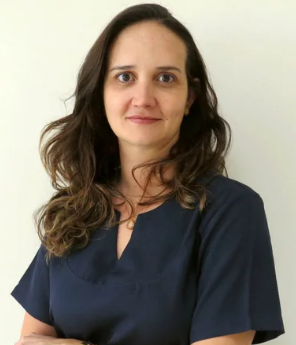
This guide — written by Dra. Avelar Linhares, DMD, with 20 years of clinical experience evaluating dental practices across borders — explains exactly what makes a Tijuana dental clinic safe, what red flags to look for, and how to verify a clinic before you book.
Why Tijuana Has Become a Major Dental Tourism Destination
Tijuana is not a new or fringe destination for US dental patients. American patients have been crossing the San Ysidro border for dental care for decades. The dental tourism industry in Tijuana has developed specifically to serve US patients — English-speaking staff, US-style treatment planning, and clinics located within walking distance of the border crossing are standard at established practices.
The cost savings are driven by economics, not quality. Running a dental practice in Tijuana costs a fraction of what it costs in California. Malpractice insurance, commercial real estate, and administrative overhead are dramatically lower in Mexico. Those savings get passed to the patient. The clinical work — the implant brands, the porcelain, the surgical technique — is identical to what you would find at a quality US practice.
COFEPRIS — Mexico's Federal Commission for Protection against Sanitary Risk — is the regulatory body that certifies dental clinics in Mexico. It is the functional equivalent of the FDA for healthcare facilities. Every legitimate dental clinic in Tijuana must hold a valid COFEPRIS certification. This is your first filter when evaluating any clinic.
The Real Risk: How to Tell a Safe Clinic from an Unsafe One
The risk in Tijuana dental tourism is not Tijuana. It is choosing the wrong clinic. There are excellent practices and there are operations that exist solely to attract bargain-hunters with no intention of delivering quality care. Knowing the difference is the entire game.
Green Flags: What a Safe Clinic Looks Like
- Valid COFEPRIS certification — Ask for it directly. A legitimate clinic will show you without hesitation. This is non-negotiable.
- Dentist credentials you can verify — The lead dentist should have a verifiable degree from an accredited dental school. Many top Tijuana dentists trained in the US, Europe, or Brazil. Ask where they trained and how long they have been practicing.
- Internationally recognized implant brands — For implant procedures specifically, ask which brand they use. Safe clinics use Straumann, Nobel Biocare, Zimmer Biomet, or BioHorizons — the same brands used in American practices. If a clinic cannot or will not tell you the implant brand, walk away.
- Modern sterilization protocols — Autoclaves, barrier protection, single-use instruments. You should be able to ask about sterilization procedures and receive a clear, specific answer.
- Digital imaging — Quality clinics use cone beam CT scanners (CBCT) for implant planning and digital X-rays for diagnostics. This is standard at established Tijuana practices.
- Transparent pricing in writing — A safe clinic provides an itemized written quote before you travel. If pricing is vague, changes after you arrive, or is only given verbally, that is a red flag.
- English-speaking staff — Not just a receptionist. Your treatment coordinator and ideally your dentist should communicate clearly in English. Misunderstandings about treatment plans are a significant source of bad outcomes.
- A clear warranty policy — Reputable clinics stand behind their work. Ask specifically about the warranty on implants, crowns, and prosthetics before booking.
Red Flags: Warning Signs to Walk Away From
- Prices that seem too good to be true — Tijuana prices are already dramatically lower than the US. If a clinic is quoting 50 percent less than other Tijuana clinics, they are cutting corners somewhere — on materials, sterilization, or dentist experience.
- No COFEPRIS certification — No exceptions. If they cannot show you current certification, do not proceed.
- Pressure to decide immediately — Legitimate clinics give you time to review your treatment plan. High-pressure tactics to book on the spot are a warning sign.
- Vague or verbal-only quotes — Your treatment plan and pricing should be in writing before you travel.
- No before and after photos for complex procedures — For implants, All-on-4, or veneers, any experienced clinic will have a portfolio of previous cases. Reluctance to show these is a red flag.
- Unknown implant brands — Generic or unbranded implants have no track record and no manufacturer support if something goes wrong.
What COFEPRIS Certification Actually Means
COFEPRIS is Mexico's Federal Commission for Protection against Sanitary Risk. For dental clinics, COFEPRIS certification means the facility has been inspected and approved for:
- Hygiene and sterilization standards
- Qualified licensed dental professionals
- Proper waste disposal protocols
- Facility safety and equipment standards
It is not a guarantee of clinical excellence — it is a floor, not a ceiling. Think of it the way you think of a restaurant health inspection: it tells you the place meets minimum safety standards, not that the food is exceptional. COFEPRIS certification is necessary but not sufficient on its own.
This is why professional clinical vetting matters beyond the certification check. Every clinic in the Tijuana Dental Guide directory has been personally evaluated by Dra. Avelar Linhares, DMD — not just checked for COFEPRIS status but assessed for equipment quality, sterilization protocols, dentist credentials, and patient outcomes.
Is It Safe for Specific Procedures?
The safety calculus is slightly different depending on the procedure. Here is a quick breakdown:
Dental Implants
Implants are the highest-stakes procedure to have done in Tijuana — and also the one where patients save the most money. A failed implant is expensive and painful to address. The key variables are the implant brand used and the surgeon's experience with implant placement specifically. Always ask how many implants the surgeon places per month and which brand they use. See our full guide to dental implants in Tijuana for complete vetting criteria.
All-on-4 and Full-Arch Restorations
All-on-4 is a complex surgical procedure where clinic selection is more critical than for simpler procedures. Ask specifically about the surgeon's All-on-4 case volume — how many full-arch cases do they complete per month. An experienced surgeon does this procedure regularly, not occasionally. See our All-on-4 guide for the full checklist.
Veneers and Crowns
Veneers and crowns are lower-risk procedures where the main variable is the quality of the dental laboratory and the dentist's cosmetic experience. Ask which lab fabricates their restorations and request before and after photos of previous cases. See our guides to veneers and crowns in Tijuana.
What About Follow-Up Care?
This is the question most patients forget to ask. Dental work sometimes needs adjustment — a crown that does not feel right, sensitivity after an implant, a veneer that needs polishing. When your clinic is in another country, follow-up is more complicated.
What to establish before you leave Tijuana:
- A direct WhatsApp or email contact for your treating dentist — not just the front desk
- Clear written aftercare instructions
- The clinic's protocol for remote follow-up — can they review photos you send and advise remotely?
- The warranty terms in writing — what is covered, for how long, and what the process is if something needs correction
Most established Tijuana clinics that serve US patients regularly have well-developed remote follow-up protocols. Ask about this before you book, not after.
Is the Area Around Clinics Safe to Visit?
This is a separate question from dental safety and worth addressing directly. The dental tourism zone in Tijuana — primarily Zona Río and the clinic areas near the San Ysidro crossing — is safe for US visitors during the day. Millions of Americans visit Tijuana annually without incident.
Practical safety guidelines:
- Schedule morning or early afternoon appointments and cross back before dark
- Use clinic shuttle services if available — most verified clinics offer free border pickup
- Take an Uber or clinic-arranged taxi rather than street cabs
- Stay in the clinic and commercial areas — do not wander into unfamiliar neighborhoods
- Keep valuables minimal and in a secure bag
Standard travel common sense applies. The dental tourism infrastructure in Tijuana exists specifically to make US patients comfortable — shuttle services, English-speaking staff, and clinics designed to US patient expectations are all standard at verified practices.
The Bottom Line
Dental work in Tijuana is safe when you choose the right clinic. The procedure itself — the titanium implant, the porcelain veneer, the zirconia crown — is identical to what you would receive at a quality US practice. The surgeon's training, the sterilization protocols, and the materials are what matter, not the country where the work is performed.
The risk is not Tijuana. The risk is choosing a clinic based on the lowest price without doing the verification work. Use the green flag checklist above, confirm COFEPRIS certification, ask about implant brands and surgeon experience, and get everything in writing before you travel.
Every clinic in the Tijuana Dental Guide has been personally verified by Dra. Avelar Linhares, DMD against these criteria. Our free matching service will recommend the right verified clinic for your specific procedure and budget.
Frequently Asked Questions
Is it safe to go to Tijuana for dental work?
Yes — at a verified, COFEPRIS-certified clinic with a credentialed dentist. Tijuana has been serving US dental patients for decades. The risk is not the city — it is choosing the wrong clinic. Use the verification checklist in this article and choose only COFEPRIS-certified clinics that have been independently vetted.
What certifications should a Tijuana dental clinic have?
At minimum, a valid COFEPRIS certification — Mexico's federal health authority equivalent to the FDA. Beyond that, look for dentists with verifiable degrees from accredited dental schools, membership in professional associations such as the Mexican Dental Association (ADM), and international training credentials where applicable.
What are the risks of getting dental work done in Mexico?
The primary risks are choosing an unverified clinic, receiving inferior materials without your knowledge, and difficulty with follow-up care from across the border. These risks are mitigated by choosing a COFEPRIS-certified clinic that has been independently vetted, confirming implant brands in writing, and establishing a clear remote follow-up protocol before you leave.
How do I verify a dentist's credentials in Tijuana?
Ask the clinic directly for the treating dentist's dental school, graduation year, and any post-graduate training or certifications. You can verify Mexican dental licenses through the Cédula Profesional — a federal professional license number that can be checked through Mexico's SEP (Secretaría de Educación Pública) database online.
Is it worth going to Tijuana for dental work?
For most US patients needing major dental work — implants, veneers, crowns, or full-arch restorations — yes. Savings of 60–75% are real and consistent at verified clinics. A single dental implant saves $2,000–$4,000. An All-on-4 full-arch restoration saves $15,000–$25,000. For patients within 2–3 hours of San Diego, the logistics are straightforward. The key is choosing a verified clinic.